

PODCAST: Announcing A New Partnership for Management Matters with James-Christian Blockwood Season 2 · Ep 50
0:00
453
PODCAST: Announcing A New Partnership for Management Matters with James-Christian Blockwood Season 2 · Ep 50
Hub News
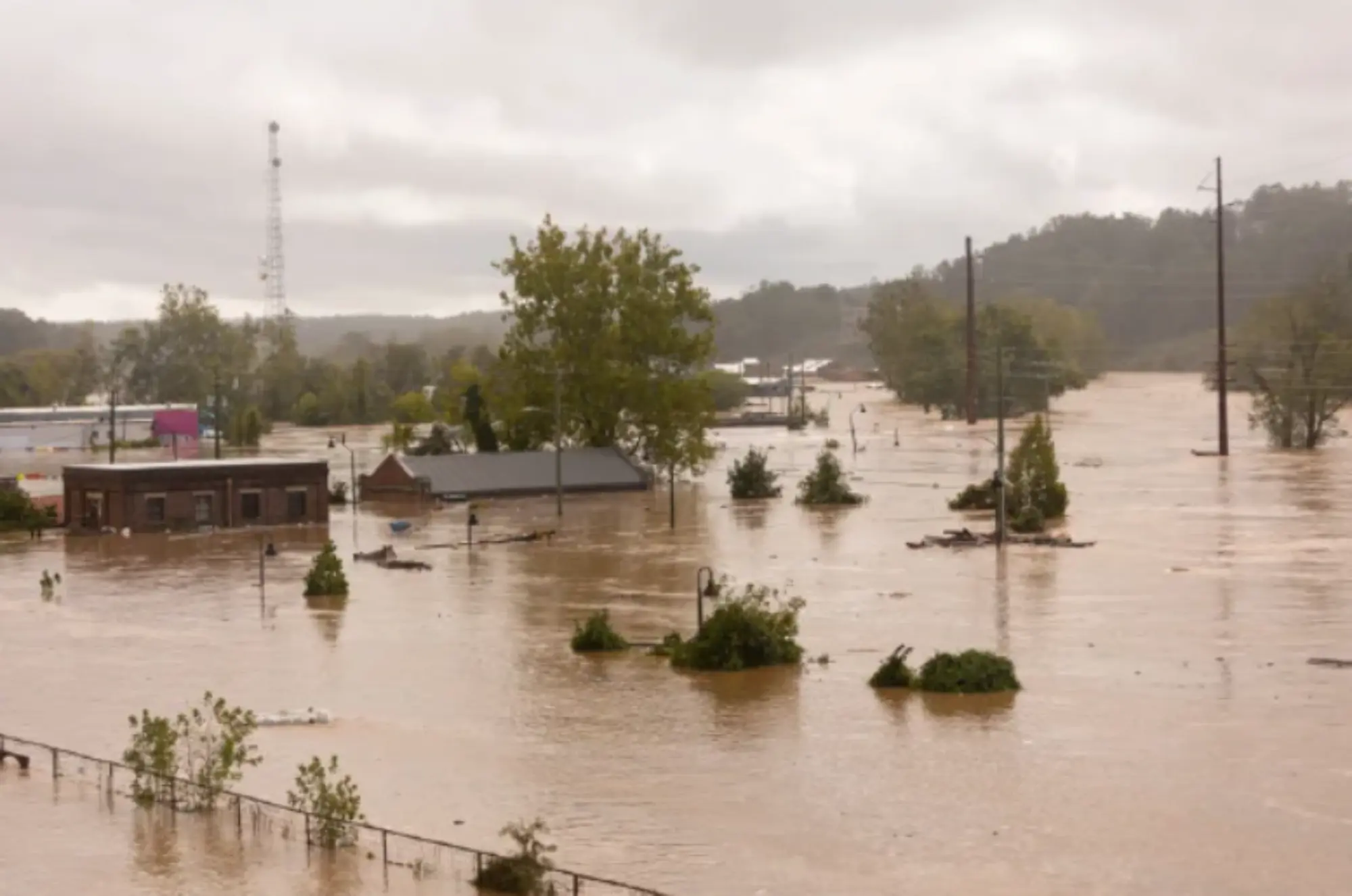
Extreme weather events are becoming increasingly frequent and severe, impacting broader regions and unexpected locations, causing significant damage to communities in new and challenging ways. In 2024, Hurricane Helene led to flooding in the Appalachian region of North Carolina, an area 500 miles from its landfall in Florida, that exceeded that region’s 1916 “Great Flood.” In Asheville, the water level of the French Broad River exceeded the previous record by 1.5 feet. The storm caused over 100 deaths and displaced tens of thousands in North Carolina alone. Events like Hurricane Helene have contributed to global insured losses exceeding $100 billion for the sixth consecutive year.
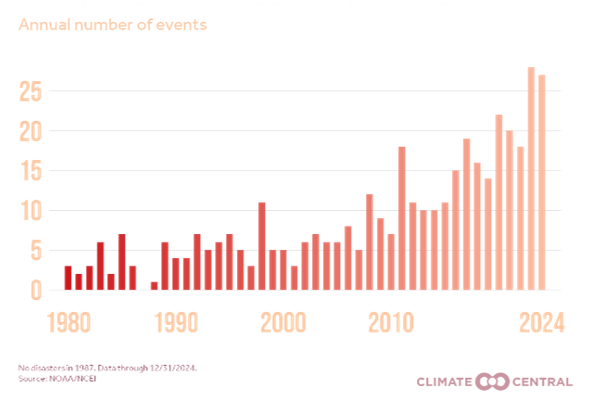
In the United States, the number of disasters causing damage in the billions of dollars has steadily increased over the past two decades, with over 25 extreme weather events occurring in both 2023 and 2024. In 2025, the U.S. experienced 23 one-billion-dollar disaster events totaling $115B and accounting for 276 deaths.
Extreme weather isn’t limited to the hurricanes and tornadoes that often dominate headlines.
It’s also recurring wildfires, extreme heatwaves, blue-sky flooding, and other types of events that are becoming everyday problems, forcing communities to act. Historically, local governments and states have met these challenges with guidance and support from the federal government. However, as the federal government's role evolves, state and local governments must take the lead in cultivating community resilience and adapting to modern disasters and extreme weather events.
Investing in resilience and adaptation before the disaster happens is critical. It can minimize damage, save lives, ease the financial strain of recovery, and position communities to thrive. A 2024 U.S. Chamber of Commerce study found that every $1 spent on disaster resilience saves $13 in economic impact, damages, and cleanup costs. Despite the need, securing real investment remains a significant hurdle for communities. This challenge is in part due to a system designed around emergency management and short-term disaster preparedness and recovery. That paradigm has become increasingly less reflective of the impact disasters have on communities and how long their effects are felt. Communities and society must prioritize longer-term resilience and adaptation equally, or even more so, than short-term preparedness.
In May 2025, recognizing the system design challenge, the National Academy of Public Administration (the Academy) established the Extreme Weather Resilience Hub (the Hub) to address a critical challenge: traditional governance and financing methods often fall short in delivering the adaptation and resilience projects communities need for a secure future. We need new structures that enable local communities to implement adaptive solutions and address the growing risks associated with extreme weather events.
While the Hub’s main focus is working with communities and organizations to advance these transformational strategies, it also recognizes the importance of education and awareness. To support this, the Hub will regularly share updates that:
The Academy and the Hub team are excited to contribute their expertise, energy, and enthusiasm to adaptation and resilience efforts taking place across the nation (and globally). We look forward to sharing stories of progress, challenges, and triumphs from communities on their resilience journeys. After all, adaptation and resilience are, at their very core, public administration challenges—and this is where we lead.
Title Image: AL092024_Helene.pdf
Author
Article Details
Keep Reading
We use cookies to improve your experience on our site. By continuing to use this site, you accept our use of cookies. Privacy Policy