

PODCAST: Embracing Regionalism with Columbus, Ohio Mayor Andrew Ginther and Fellow Matt Chase of the National Association of Counties Season 2 · Ep 49
0:00
1880
PODCAST: Embracing Regionalism with Columbus, Ohio Mayor Andrew Ginther and Fellow Matt Chase of the National Association of Counties Season 2 · Ep 49
Hub News
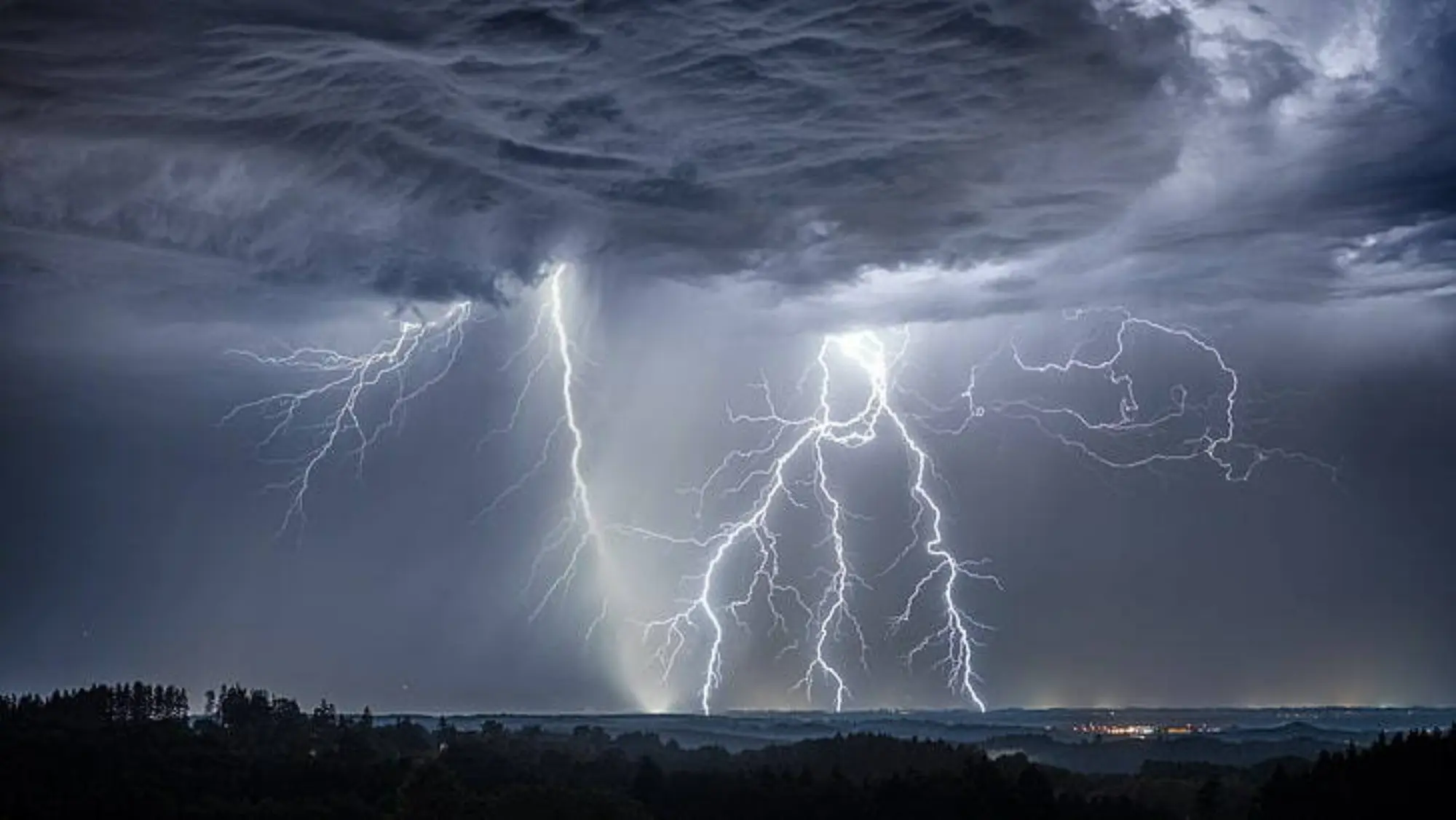
As extreme weather events grow more frequent, more destructive, more expansive, and more expensive, communities across the country face a fundamental question:
How can we prepare for a future in which storms, floods, wildfires, heat waves, and chronic stressors are persistent features of life?
Part of helping local governments prepare for that future lies in two interconnected concepts—resilience and adaptation—and in the public institutions that enable them.
What We Mean by Resilience and Adaptation
Because these concepts are often used loosely or inconsistently, it’s important to define them more clearly.
The Academy and other leading organizations define resilience as a community’s capacity to prepare for, respond to, withstand, and recover from disruptive events.
Adaptation is taking intentional steps to adjust systems, infrastructure, and practices to reduce harm from current and future extreme weather impacts and to capitalize on emerging opportunities. This means modifying how communities, institutions, and ecosystems operate so they can better withstand evolving risks and continue to function effectively. It is a broad topic for which the United Nations provides definitions of the topic and its subcomponents.
Resilience is interconnected with adaptation. When communities plan and adapt systems, infrastructure, housing, and services to cope with extreme weather, they can better withstand extreme weather events, recover more quickly, and thrive despite adversity. Communities must integrate these principles to minimize losses, reduce disruptions, and maintain their citizens' well-being in the aftermath of extreme weather.
For example, a mid-sized coastal city experiencing increasingly frequent flooding during heavy rain events that overwhelm stormwater systems and disrupt activities and services can turn to both resilience and adaptation to address the issue. Resilience strategies will include upgrading response protocols and communications systems, helping the community return to normal functioning more quickly. Adaptation involves redesigning stormwater infrastructure to handle higher volumes and zoning updates that discourage development in flood-prone areas. This adaptation allows for continued functioning under evolving conditions.
Investment in resilience and adaptation can minimize damage, save lives, ease the financial strain of recovery, and position communities to thrive following an event. A 2024 study by the U.S. Chamber of Commerce found that every $1 spent on disaster resilience saves $13 in economic impact, damages, and cleanup costs. Investments in resilience won’t prevent losses, but they can significantly reduce them.
What Role Do Public Administrators Play?
Shifting the focus from a reactive disaster system focused on response and recovery to a more proactive, future-oriented approach that leverages resilience and adaptation is challenging. One of the most substantial challenges is developing financing tools that meet local governments where they are when addressing their place-based problems.
The Brookings Institution noted that local government resilience strategies cannot be limited to “waiting for the next disaster or grant cycle…” or “…raising taxes across the board to support more local government spending and debt.” Their work highlighted innovative financing tools that different states and communities are exploring.
Financing tools are helpful, but insufficient without clear guidance and best practices from public administrators. It is important to keep in mind that no level of government or sector is alone responsible for building resilience and promoting adaptation.
As public administrators, we are charged with translating policy into action and ensuring that our government systems operate effectively, efficiently, transparently, and accountably.
The Academy’s Extreme Weather Resilience Hub seeks to reimagine the future of governance and transform our public institutions to create dynamic, place-based institutions that:
Together, we can build institutions that are trusted, effective, and ready for the challenges of the 21st century.
Author
Article Details
Keep Reading
We use cookies to improve your experience on our site. By continuing to use this site, you accept our use of cookies. Privacy Policy