

PODCAST: Embracing Regionalism with Columbus, Ohio Mayor Andrew Ginther and Fellow Matt Chase of the National Association of Counties Season 2 · Ep 49
0:00
1880
PODCAST: Embracing Regionalism with Columbus, Ohio Mayor Andrew Ginther and Fellow Matt Chase of the National Association of Counties Season 2 · Ep 49
News
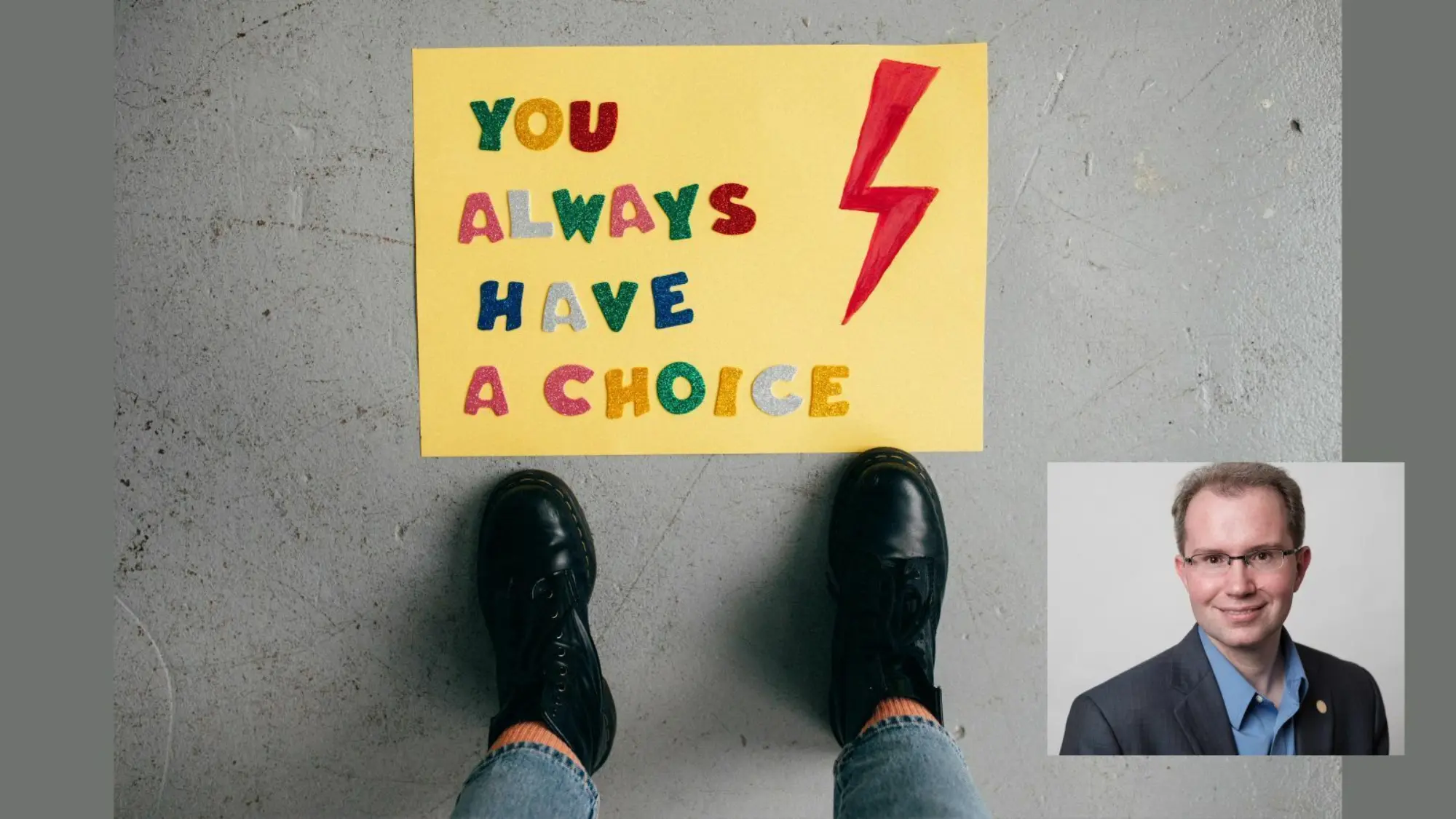
The first two essays explored how more technological options can mean less real choice and examined specific actions leaders can take to ensure technology amplifies human capability. This essay addresses the critical question: How do these changes happen in reality?
The answer lies in cultivating positive change agents throughout organizations and communities who are willing to step outside of expectations and manage the friction associated with such actions. These are the people who will transform principles into practice and build the future needed rather than accepting what unfolds by default.
Why Change Feels So Hard: The Reality of Institutional Inertia
One of the most consistent patterns throughout history is how fiercely humans resist change, often maintaining earlier ways of thinking even when evidence for transformation is overwhelming. This hesitation is often institutionalized in organizations and decision-making processes.
Public sector organizations continue processes that no longer serve citizens well because changing established procedures requires navigating complex approval chains. Private sector companies cling to obsolete business models because quarterly earnings pressures make long-term transformation risky. Community organizations struggle to adapt because funding sources reward proven methods over experimental approaches.
Change creates uncertainty, and uncertainty triggers anxiety. Without human agency navigating change, people can become tribal and grievance focused. Without agency in providing value, people hoard resources at others' expense. Without agency in purpose, people pursue meaning in isolation. Yet history teaches that good leaders have helped people restore their sense of agency and navigate uncertainty.
The Nature of Effective Leadership: Questions Over Answers
Effective leadership isn't about having all the answers. It's about creating conditions where better answers emerge through collective exploration. As e.e. cummings wrote: “Always the beautiful answer who asks a more beautiful question.”
Navigating the future ahead is about creating new ways of working. There are no easy playbooks. Real value comes from an interactive relationship involving questions and exploration together. Real leadership includes willingness to walk without a net, embrace questions, and make sense of the world together. Events and organizational cultures that embrace anything-can-be-asked approaches have a palpable, livelier sense of shared energy.
Restoring Agency: Purpose, Value, and Protection
Effective leadership means helping people restore agency along three essential dimensions, visualized as a road stretching toward the horizon and a rising sun. The road represents the journey in work, communities, and lives. The rising sun symbolizes compelling future visions that inspire and give the journey meaning.
This road consists of three segments. Closest to the future vision lies Purpose: helping people discover meaningful purpose at work, in communities, and in their lives. In the middle lies the ability to Provide Value: helping people identify ways they can contribute meaningfully. Nearest to where people stand today lies Protection: helping people feel they can protect themselves and those they care about, defined not merely as physical safety but as stability and comfort amidst changing circumstances.
However, many workers face legitimate concerns about job security as AI and automation advance. Organizations implementing AI should simultaneously invest in training programs that emphasize approaches that augment rather than replace human judgment and where both human empathy and speed of collective insight matter at work.
Becoming Positive Change Agents: Advancing Solutions
Positive change agents actively work to advance solutions rather than simply identify problems. They resist amplifying anxiety-producing messages that deepen divisions and paralyze action. Instead, they cultivate problem-solving approaches and foster conviction that people will get through challenges together.
Getting angry, sad, or giving into negativity removes our ability to empathize with others and find common humanity. When this truth is embraced, people can see each other not as threats but as humans together on living on a shared “Pale Blue Dot” called home.
Yet becoming a positive change agent often means navigating skeptical environments. The practical approach requires strategic thinking about building influence and credibility before attempting major changes. Start by delivering exceptional results to establish credibility. Build relationships across organizational boundaries so allies exist when pushbacks emerge. Frame proposed changes in terms that resonate with decision-makers' priorities.
As Abraham Lincoln noted: “I don't like that man, I must get to know him better.” Positive change agents intentionally take time to know people they disagree with to break out of the “us vs. them” paradigm.
Managing the Friction of Change: Practical Strategies
Stepping outside expectations inevitably creates friction. This friction is not a sign of doing something wrong: it's often a sign of doing something important. Several approaches help:
The Path Forward: A Call to Action
The choices made now about how to design and deploy technologies will shape human freedom and agency for generations. The challenges are real and substantial. Institutional inertia is deeply entrenched. Political polarization makes collaborative problem-solving difficult. Yet transformation remains possible.
If someone is reading this thinking “someone should do something about this,” the recognition must come: that someone is each of us. Start by asking questions. What aspects of work inadvertently diminish human agency? What changes could expand choice and freedom? Who else might become allies?
We each can act strategically by experimenting with the approaches outlined in this series. Share what is learned. Build coalitions. Celebrate successes and learn from failures. As Archbishop Desmond Tutu observed, “Do your little bit of good where you are; it's those little bits of good put together that overwhelm the world.”
A Commitment: Be Bold, Be Brave, Be Benevolent
The path forward requires both humility and determination. As Marcus Aurelius counseled, “The art of living is more like wrestling than dancing.” There will be struggles and setbacks, yet through these challenges, better paths forward will be forged.
To all who answer the call to be positive change agents a commitment to three essential principles is needed:
Be bold in vision for what's possible. Diminished human agency cannot be accepted as the inevitable price of technological progress. Yet boldness must be tempered with realism. Bold in vision while pragmatic in execution.
Be brave in strategic actions. Stepping outside expectations even when uncomfortable is required. Persistence through pushbacks is essential because the alternative is unacceptable. Yet bravery must be balanced with wisdom. Brave in action while strategic in approach.
Be benevolent in approaches. People who express concerns about change often do so because they feel their agency is threatened. Leading with empathy is essential. Yet benevolence must include accountability. Benevolent in spirit while firm in commitment to necessary change.
The future ahead isn't something that will happen to people. It's something that must be actively shaped together. By embracing the role of positive change agents, organizations and communities can thrive even amid significant technological changes.
An invitation is extended to join in creating spaces where people feel listened to and empowered to shape collective futures. Whatever the capacity, remember that strength comes from being together not despite differences, but because of them.
The future can be, and should be, something created together. The work begins now, and it begins with each person. It will be difficult. It will take time. There will be setbacks. But the alternative, accepting diminished human agency as the price of technological progress, is unacceptable.
We must be bold. We must be brave. We must be benevolent.
The future belongs to all of us. We each have a vital role to play in shaping more positive outcomes for our communities and the world to come. Our shared journey continues, and through it, we will forge better paths forward. Here's to helping build better futures for our communities together.
Author
Article Details
Keep Reading
We use cookies to improve your experience on our site. By continuing to use this site, you accept our use of cookies. Privacy Policy