

PODCAST: Embracing Regionalism with Columbus, Ohio Mayor Andrew Ginther and Fellow Matt Chase of the National Association of Counties Season 2 · Ep 49
0:00
1880
PODCAST: Embracing Regionalism with Columbus, Ohio Mayor Andrew Ginther and Fellow Matt Chase of the National Association of Counties Season 2 · Ep 49
News
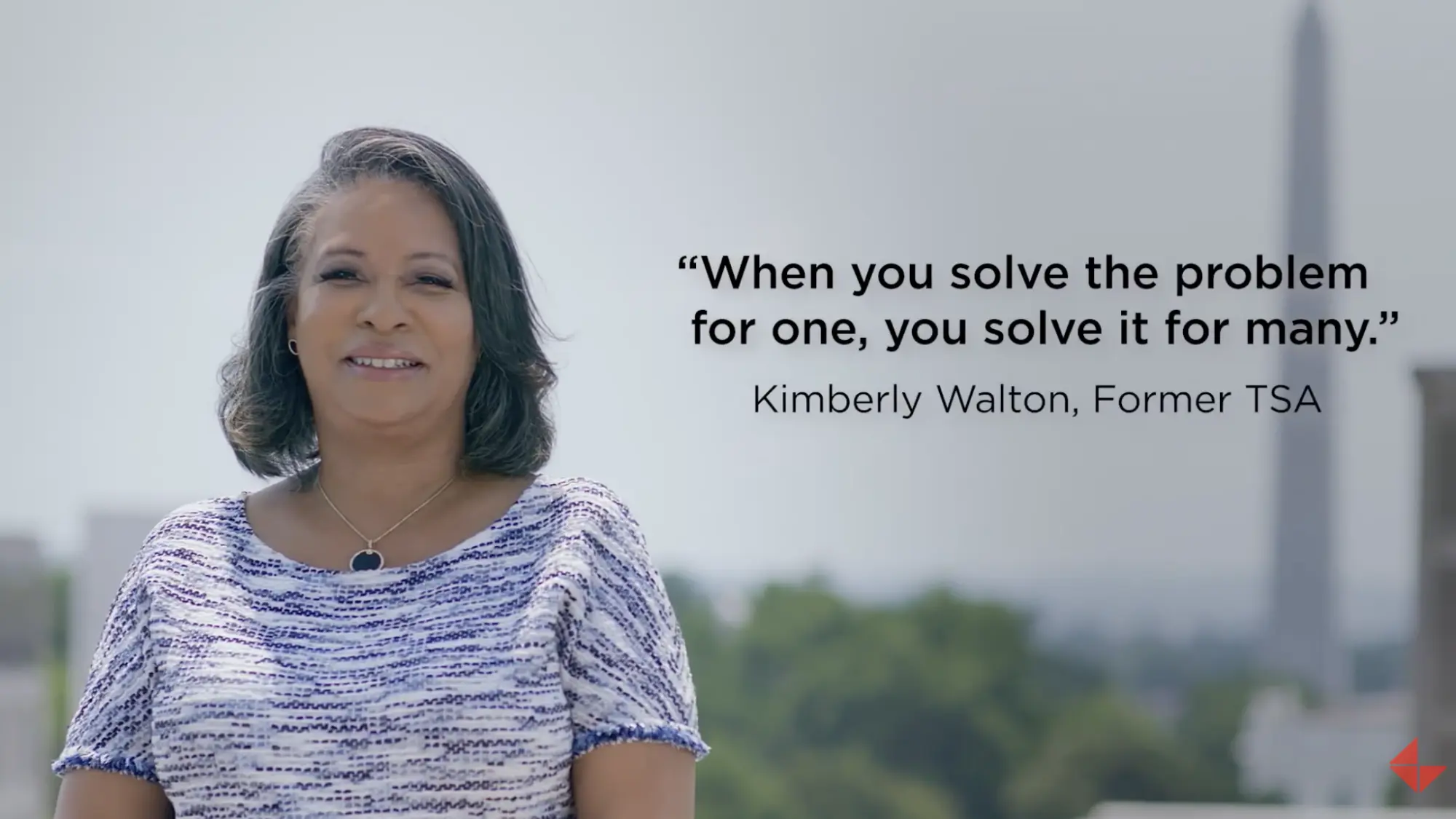
By Kimberly Walton, NAPA Fellow
If you had told me when I first became involved with the National Academy of Public Administration that I would one day serve on its Board of Directors, become an officer, co-chair a Standing Panel, serve on study panels, join the Editorial Board of its journal, sponsor new Fellows, and work on initiatives beyond the Academy, I would have been surprised.
None of that was part of a plan.
I simply joined a committee.
I was still working in the federal government when I became involved with the Academy’s Standing Panel on the Public Service. I was interested in the mission and welcomed the chance to stay connected to conversations about government and public service. I did not join thinking about what position I might eventually hold or what the Academy could do for me.
I showed up. I listened. And when I thought I had something useful to contribute, I spoke up.
Looking back, that may be the most important advice I can offer another Fellow: You do not have to know exactly where you fit before you get involved. Sometimes you find your place by simply getting involved.
After I retired from federal service, I had more flexibility to engage with the Academy. When I was asked to co-chair the Standing Panel on the Public Service, I said yes.
That role allowed me to stay involved with issues that had mattered throughout my career—public service, leadership, merit, organizational effectiveness, and trust in government.
But I was also building relationships and learning from people whose careers had taken very different paths from mine.
That is one of the things I value most about the Academy. There is an extraordinary amount of experience in this organization.
The real question is whether we use it.
Then I saw an announcement seeking Fellows for an Academy study. The subject matter aligned closely with my professional background.
No one called me. No one tapped me on the shoulder.
I looked at it and thought, I can help with this.
So I raised my hand.
That small decision opened another door. I went on to participate in multiple study panels and other Academy activities, each exposing me to new people, new issues, and new opportunities to contribute.
It also reminded me of something I learned long ago: opportunity does not always arrive as an invitation.
Sometimes it is buried in an email you almost delete. Sometimes it comes up at the end of a meeting. Sometimes a committee needs help and nobody has volunteered.
And sometimes you simply have to say, “I’d be interested.”
Raising your hand does not mean believing you have all the answers. Certainly not in a room full of Academy Fellows.
It means knowing that your experience may be useful and being willing to put it to work. And once you raise your hand, you have to follow through.
My own involvement has continued to evolve.
I have served on study panels and helped lead the Standing Panel on the Public Service. I was elected to the Academy’s Board of Directors and recently became Secretary of the Board. I also serve on the Editorial Board of the Academy’s journal, which gives me another way to support the exchange of ideas between people studying public administration and those actually doing the work.
I have also had the privilege of sponsoring several individuals who were successfully elected as Academy Fellows.
That has been especially meaningful to me.
Being a Fellow should not simply be about being invited into an extraordinary institution. At some point, we should also look around and ask: Who else should be here?
Whose experience would strengthen the conversation? Whose perspective are we missing? Who should I encourage, introduce, nominate, or sponsor?
One of the best things we can do once a door has opened for us is hold it open for someone else.
My involvement has also taken me into areas I did not necessarily expect when I first joined that committee.
Through the Academy’s work with the Bridge Alliance, I became involved in an initiative focused on democracy and public service. My project, “Pluralism as a Civic Operating System: Building a Democracy of Dignity,” looks at how dignity, belonging, and constructive engagement can help people navigate differences while strengthening democratic institutions.
For me, this is another example of what involvement in the Academy can become.
The Academy is not simply a place to talk about public administration. It can be a place to develop ideas, connect people, build partnerships, and put expertise to work.
The Academy itself is evolving, and so are the ways Fellows can engage. Studies and Standing Panels remain important, but today there are also opportunities through publications, partnerships, convenings, and initiatives addressing emerging challenges in government and democracy. If your view of the Academy was formed years ago—or you simply have not looked closely at what is happening lately—I would encourage you to take another look. You may find a new place to contribute.
My professional work has also intersected, where appropriate, with mission-aligned opportunities connected to the Academy. I have been careful about those relationships, maintaining transparency and clear boundaries between my governance responsibilities and my business interests.
But I also believe there is value in the connections professional organizations create. The point is not networking just to collect contacts. It is bringing people and organizations together when doing so can produce something useful.
If you are a newer Fellow wondering how to become involved, my advice is simple: start somewhere.
You do not need to chair a committee. You do not need to be elected to anything. And you certainly do not need to know everyone in the room.
Find something that interests you.
Join a Standing Panel. Attend a meeting. Respond to a request for volunteers. Offer to help with a project. Introduce yourself to someone you do not know.
And attend the NAPA National Conference, November 8–10, 2026. It is a great opportunity to hear what is happening across the Academy, meet other Fellows, and figure out where you might want to become involved.
But don’t just attend the sessions.
Talk to people.
Meet someone new.
Then come back.
People get to know you through repeated engagement. They learn what you know, what interests you, and where you can contribute.
But that cannot happen if you are never in the room.
Maybe you were once very active and life got busy. Maybe you served on studies or panels years ago and have not found your way back. Or maybe retirement has meant more time with family, more travel, and a little golf.
I understand. I am available—and working on my golf game too.
But getting involved again does not have to mean chairing another committee or filling your calendar with meetings.
After decades of leadership, longtime Fellows have something just as valuable as their expertise: relationships.
You know people. You know organizations. You know leaders in government, universities, foundations, businesses, and communities who may be helpful to the Academy or who simply ought to know more about its work.
Sometimes contributing is as simple as making an introduction or opening a door.
For some Fellows, this may also be the right time to think about the Academy as part of a larger legacy of public service—supporting work that matters to you, helping sustain an initiative, or helping ensure that the institution remains strong for the people who come after us.
Government is changing. Technology is reshaping institutions. Trust remains a challenge. A new generation of public servants is dealing with circumstances many of us could not have imagined when we began our careers.
They need new ideas, but they also need institutional memory.
They need people who remember what has been tried before, what worked, what did not, and why. They need experienced leaders willing to ask good questions, make connections, open doors, and help prepare those coming behind us.
There is a tremendous amount of knowledge, experience, and goodwill among Academy Fellows. We should put more of it to work.
And yes, there will still be time for golf.
When I joined the Standing Panel on the Public Service, I was not plotting a path to the Board.
I did not expect to become an officer, serve on an Editorial Board, participate in multiple studies, sponsor other Fellows, or become involved in cross-sector initiatives.
I joined a committee.
Then I said yes to another opportunity.
And another.
And occasionally, instead of waiting for someone to ask me, I raised my hand.
That is how my involvement grew.
And I think that is how organizations grow stronger too.
The Academy is at its best when Fellowship is not simply an honor we receive, but something we actively participate in and help build.
So, to the new Fellow wondering where to begin: start somewhere.
To the longtime Fellow wondering whether there is still a place for you: there is.
Attend the meeting. Join the panel. Share the idea. Sponsor someone. Make an introduction. Come to the National Conference. Reconnect with a colleague.
Bring your experience back into the conversation.
You do not have to know where it will lead.
I certainly didn’t.
Just raise your hand.
Author

Article Details
Keep Reading
We use cookies to improve your experience on our site. By continuing to use this site, you accept our use of cookies. Privacy Policy