

PODCAST: Embracing Regionalism with Columbus, Ohio Mayor Andrew Ginther and Fellow Matt Chase of the National Association of Counties Season 2 · Ep 49
0:00
1880
PODCAST: Embracing Regionalism with Columbus, Ohio Mayor Andrew Ginther and Fellow Matt Chase of the National Association of Counties Season 2 · Ep 49
Hub News
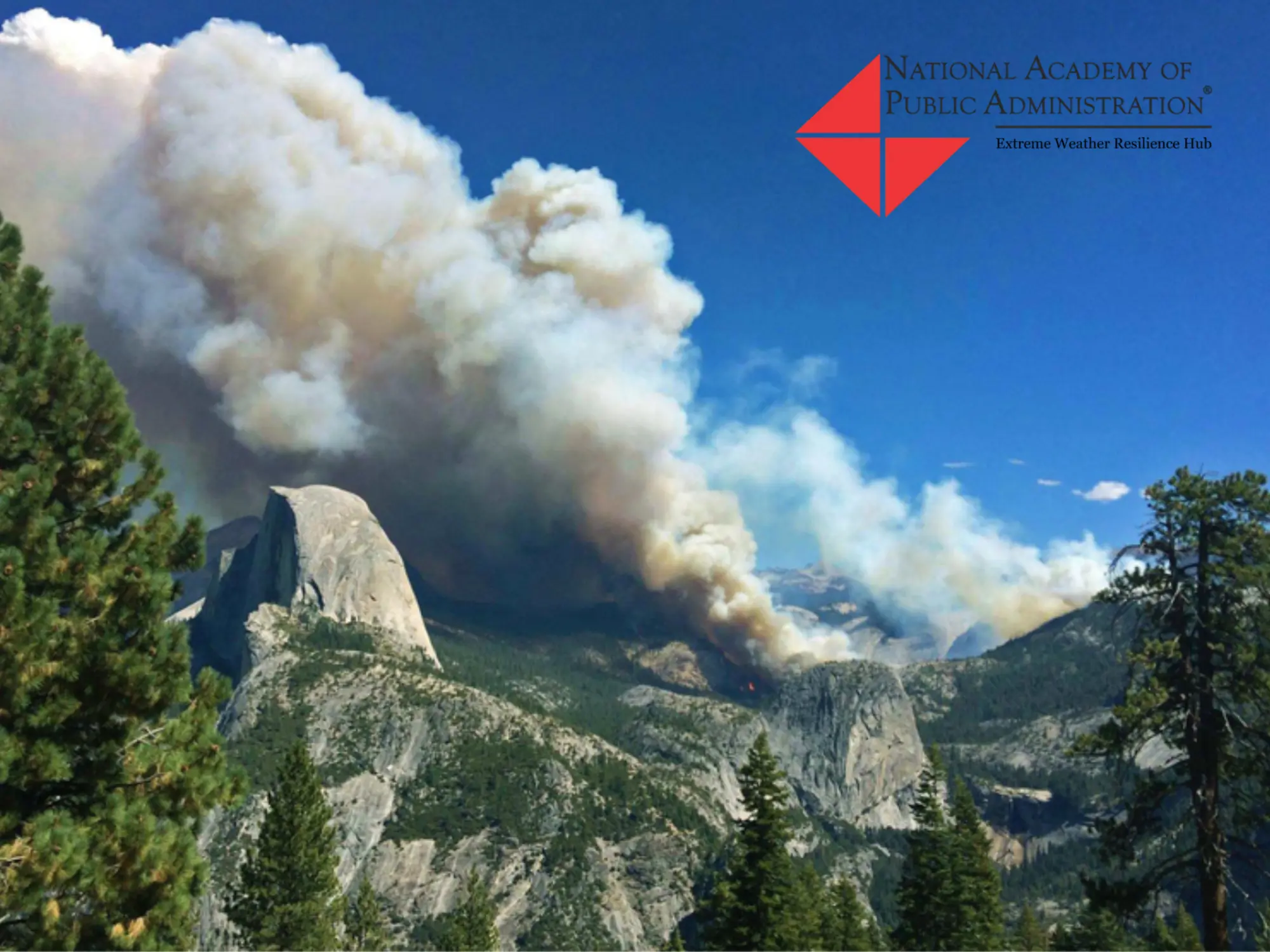
California is experiencing more frequent and more severe climate-driven hazards, from wildfires and drought to flooding and sea level rise. From 2012 to 2018, California experienced 7 of the 10 warmest years in the state’s history, and its coastal and bay-adjacent communities are experiencing impacts from sea level rise, which is expected to continue as temperatures increase.
These risks are pushing communities to look for governance and financing models that can speed up place-based resilience projects, especially when impacts cross jurisdictional lines. One emerging option is the Climate Resilience District (CRD), authorized by California’s SB 852 (signed in 2022). The law gives local governments a way to form a dedicated district focused on mitigation, resilience, and adaptation, and to better position themselves to receive and use federal, state, local, and private funding for resilience work*. Under Senate Bill 852, CRDs can only support projects tied to specific climate risks, including sea level rise, extreme heat, extreme cold, wildfire risk, drought, and flood risk.
What can a Climate Resilience District do?
CRDs are governed by five-member boards (three members of the participating legislative body and two members of the public). While a single city or county can use many financing tools on its own, the CRD structure is designed to help multiple jurisdictions work together and align plans, share administrative capacity, and sustain resilience investments across district boundaries.
CRDs can raise funds and combine existing local financing tools, such as tax increment financing, special taxes, benefit assessments, community facilities districts, property-related fees, and user fees, with outside resources, such as state, federal, and philanthropic grants. In practice, that flexibility can make it easier to scale projects that benefit multiple communities, while also creating more structured opportunities for public input and voter-approved measures.
What’s slowing adoption?
Even with promising financing and governance flexibility, CRDs can be difficult to launch. Upfront costs and technical capacity needs are major barriers, especially because many funding streams are only accessible after the district is established. The Sonoma County Regional Climate Protection Authority (RCPA) was the first established CRD in California. Efforts create other CRDs in Los Angeles have faced hurdles, including the rejection of a proposed feasibility study in December 2025. Long-term funding can also be challenging: in 2023, the Sonoma County RCPA did not secure sufficient voter support for a 2024 tax measure and continues to work toward a sustainable financing plan.
Takeaways for other states
While design, implementation, and longevity challenges exist, the CRD is another tool for states seeking to address climate adaptation and resilience. While imperfect, it is a model that other states can adapt to their own citizens’ needs, allowing them to make forward progress on complex, place-based, cross-jurisdictional challenges. For example, Connecticut passed legislation in 2025 for the authorization of Resilience Improvement Districts. Although an Improvement District has yet to be formally established in the state, localities in Connecticut now have a proper mechanism to establish unilateral or joint authorities to fund climate resilience infrastructure projects, similar to California’s CRDs.
Calls to action are expanding awareness and driving progress. More research is needed to help communities effectively design and leverage Resilience Districts for their resilience and adaptation projects. Organizations such as California Forward and the Resilient Cities Catalyst have launched initiatives to accelerate their effective use in California and Connecticut. The Extreme Weather Resilience Hub is continuing to explore its effective use as part of our ongoing efforts to transform public institutions.
* Previous California legislation established that cities and counties were required to address climate adaptation and resilience strategies in their general plans, as well as promote economic development through the implementation of tax increment funding.
Authors
Article Details
Keep Reading
We use cookies to improve your experience on our site. By continuing to use this site, you accept our use of cookies. Privacy Policy